Mold Remediation in Tucker, GA: Why 24–48 Hours Matters
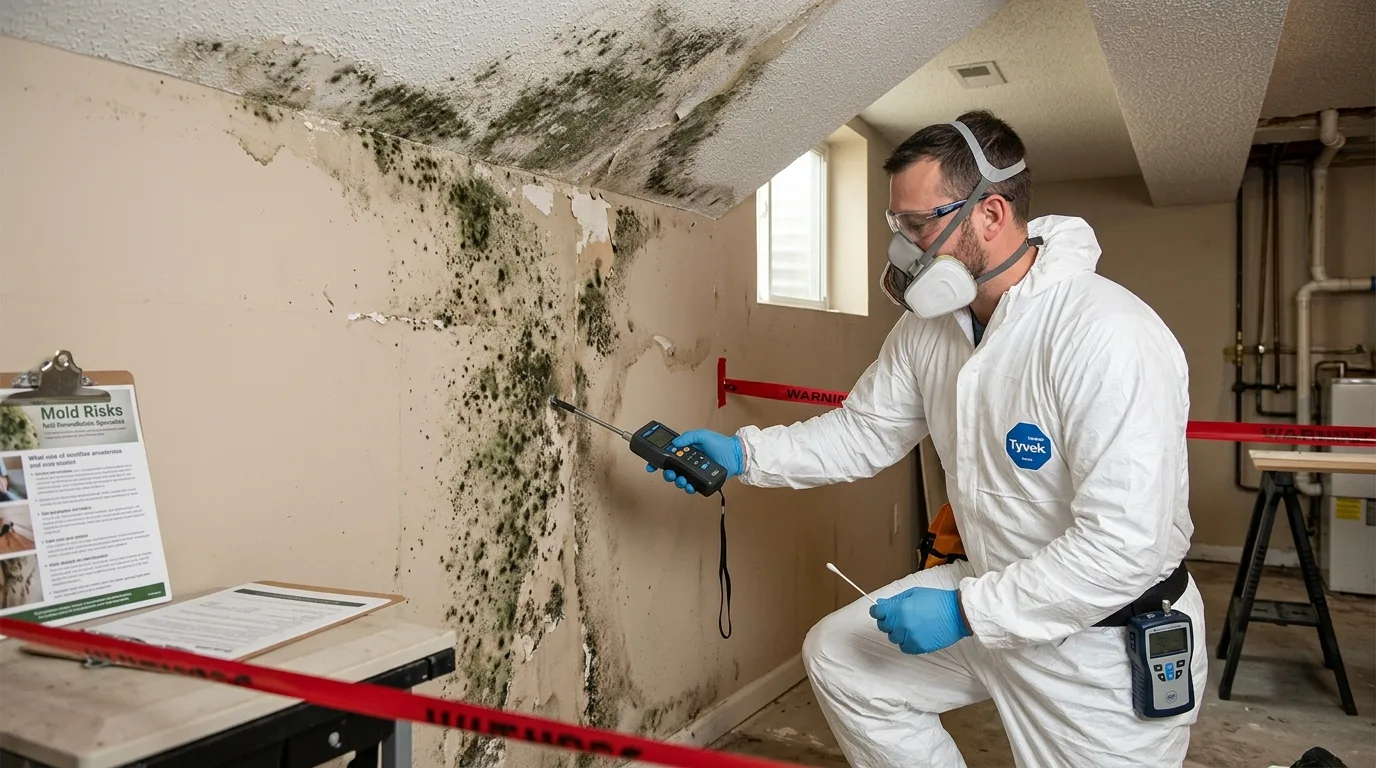
Ask any IICRC-certified restoration technician what the biggest mistake Tucker homeowners make after water damage, and the answer is the same: waiting too long to call. In Tucker’s humid subtropical climate, that delay isn’t just inconvenient — it transforms a water damage restoration job into a mold remediation project that costs significantly more, takes longer, and forces a more disruptive response. This post explains the science behind Tucker’s 24-to-48-hour mold growth window, what happens to your home during that window, and why the cost of acting fast is dramatically lower than the cost of waiting.
Water Damage in Tucker? Don't Wait — Mold Won't
Call (888) 376-0955 immediately. We respond 24/7 throughout Tucker and DeKalb County to stop mold before it starts.
Why Tucker’s Climate Compresses the Mold Timeline
Mold remediation in Tucker, GA carries urgency that doesn’t apply equally in drier climates. The 24-to-48-hour mold growth window cited by IICRC standards is a general guideline for moderate climates. In Tucker’s humid subtropical climate, with hot, muggy summers and high ambient humidity year-round, the effective window can be shorter — particularly in the June through August period when outdoor humidity levels routinely exceed 70% RH.
Mold spores are ubiquitous in Tucker’s environment — they exist on virtually every surface and in the air of every home at baseline levels. What they need to germinate and form visible colonies is moisture and a food source. Tucker’s building materials provide abundant food: wood framing, drywall paper facing, ceiling tile, and carpet backing are all cellulose-based materials that mold consumes readily. Tucker’s humidity supplies ambient moisture that supplements any water event — wet drywall doesn’t need to stay soaking wet for mold to colonize it; a moisture content above 20% in wood and above 0.5% in drywall paper is sufficient.
By hour 24 after a water event in Tucker’s summer climate, mold spores that landed on wet surfaces have germinated and are extending hyphae into the material. By hour 48, visible surface colonies can appear in ideal conditions. By hour 72, those colonies are releasing additional spores into the air — spreading the contamination zone and increasing the scope of remediation required.
What Happens to Tucker Homes in Each Time Window
Hours 1–6: Water extraction is maximally effective. Porous materials on the surface — carpet, padding, drywall facing — have absorbed water but the saturation has not yet penetrated into structural materials. Extraction and immediate dehumidification at this stage can often save materials that would otherwise require removal.
Hours 6–24: Water wicks deeper into subfloor, wall framing, and insulation. Materials that absorb water during this window are candidates for extended drying but may still be saved in place. Mold risk increases as ambient moisture interacts with wet materials, but professional dehumidification can interrupt colonization.
Hours 24–48: Critical threshold. Mold colonization begins on the wettest, most cellulose-rich surfaces. Drywall paper facing, carpet backing, and wood framing are all active colonization sites. Materials that have not yet begun drying toward target moisture levels are likely mold-contaminated and will require removal and remediation rather than drying alone.
After 48 hours: Active mold growth is probable in Tucker’s climate. The restoration scope expands from mitigation (drying) to remediation (mold treatment, material removal, clearance testing). Costs increase substantially — a job that cost $3,000–$5,000 in the first 6 hours may cost $8,000–$15,000 or more after 48 hours due to expanded material removal and remediation requirements.
Common Mold-Risk Scenarios in Tucker Homes
Basement flooding after spring storms: Homes in the Northlake area and throughout DeKalb County face spring storm flooding that can sit in basements for hours or days if not addressed immediately. Unfinished basement flooding at Category 1 is manageable in the first 6 hours — the same event discovered 36 hours later may require full mold remediation of framing and subfloor.
HVAC condensate overflow: Slow leaks from condensate drain clogs are Tucker’s most commonly delayed water events — homeowners don’t see the leak, only the discolored ceiling or bubbling paint later. By the time the event is discovered, the saturated drywall and insulation above the ceiling have often been wet for days, making mold remediation almost certain.
Water heater leaks in closets: A slow water heater leak in a confined closet creates ideal mold conditions — moisture, warmth from the heater, and cellulose materials (drywall, plywood backing). These leaks often go undiscovered until the closet develops a persistent musty smell that indicates established mold colonies.
Roof leak during storm season: Tucker’s spring and summer storms regularly cause roof leaks that saturate attic insulation and ceiling drywall. Homeowners who notice ceiling discoloration days after a storm have already exceeded the mold growth window — attic mold remediation is the likely outcome.
Tucker Mold Remediation — Fast Response Available 24/7
Mold doesn't wait for business hours. Call (888) 376-0955 immediately after any water event in Tucker or DeKalb County.
What Professional Mold Remediation Involves in Tucker
When the 24-to-48-hour window has passed and mold is confirmed or suspected, professional remediation follows a specific protocol:
Containment: Polyethylene sheeting and negative air pressure machines with HEPA filters establish a barrier between affected and unaffected areas. This prevents cross-contamination — a mold remediation failure mode that spreads the problem rather than solving it.
Material removal: All porous materials with active mold growth must be removed. This includes drywall, insulation, carpet, and wood materials with significant surface colonization. HEPA vacuuming removes residual spores from remaining surfaces.
Antimicrobial treatment: EPA-registered antimicrobials are applied to all cleaned surfaces. This treats residual spore contamination and prevents regrowth during the drying period.
Clearance testing: Post-remediation air sampling confirms spore counts have returned to acceptable baseline levels. Clearance testing is non-negotiable — it is the only way to verify that remediation was complete and that the space is safe for occupancy.
Frequently Asked Questions
Can I prevent mold after water damage in my Tucker home myself?
You can take meaningful steps in the first few hours — extract surface water with a wet/dry vac, open windows if outdoor humidity is lower than indoor humidity (check current conditions), remove wet rugs and mats. But structural drying of walls, subfloor, and framing requires commercial equipment that consumer dehumidifiers and fans cannot provide. Once you’ve done what you can, call a certified firm immediately — the professional response is what interrupts mold colonization in the structural materials you can’t see.
What does mold look like in the early stages in Tucker homes?
Early-stage mold in Tucker appears as faint gray, green, or black fuzz on wet surfaces — often mistaken for dust or soil staining initially. In attic spaces and behind walls, early mold growth may be visible only as faint discoloration on wood surfaces. The most reliable early indicator before visible growth is the musty, earthy smell — if you smell it within 24 hours of a water event, mold is already establishing.
If I see a small spot of mold, can I clean it myself?
Small surface mold on non-porous materials (tile, glass, metal) in a fully dried area can often be addressed with appropriate cleaning. However, any mold growth on drywall, wood, carpet, or insulation requires professional assessment — these porous materials harbor mold below the visible surface, and surface cleaning without addressing subsurface contamination leaves active mold that will return. Read more about our mold remediation services in Tucker.
Stop Mold Before It Spreads in Your Tucker Home
Tucker Water Damage Restoration provides rapid mold inspection and remediation throughout Tucker and DeKalb County. Call (888) 376-0955.
Related: